Learning from our neighbours

ACERT is a UK wide organisation and on February 25th 2026 we heard presentations about how Ireland and Scotland are moving forward in promoting the educational inclusion and opportunities of the Romany and Traveller communities within their areas.

We had also hoped to include speakers from Northern Ireland and Wales, both regions which have their own Education policies for including our communities, but due to circumstances beyond our control they were not able to join us. We hope we’ll be able to find out about their work at a future meeting.

Marie Bowers, Co-chair of ACERT recoded an excellent presentation on developments in Irish education and Owen Ward from the University of Galway set the policies in context.

Owen Ward from the University of Galway explained his role in widening the participation of Traveller and Roma, together with other minorities and disadvantaged students through all phases of education. He explained that there are currently 34 Traveller students attending his University. He emphasised the importance of Traveller Organisations in engaging with potential students and making them aware of the support available to allow them to study. He mentioned Scholarships, Wrap-around support, the Equality Diversity and Inclusion agenda and the Higher Education Inclusion Charter.

The work of STEP

Pauline Duncan, the STEP Project Coordinator described the work of the Knowledge Exchange based at Moray House, University of Edinburgh and supported by the Scottish Government Equalities and Human Rights, and Learning Directorates.

STEP KE supports education leaders, practitioners, and families to ensure that education is accessible, culturally-sustaining and has the highest expectations for all children and young people from traditionally nomadic cultures in Scotland.

The pdf of her presentation below gives links and QR codes which illustrate the range of activities being supported in the Region.

Emma Nuttall of Friends and Families of Traveller agreed to suggest the lack of an English Education Inclusion policy for Gypsy, Roma, Traveller, Showmen and Boaters should be raised with the All Party Parliamentary Group and the Education Stakeholder Group.

Science and circus meet

Circus250
Circus Science by the Sea is produced by Circus250 with support from Research Ireland. Circus250 is organised by friend of ACERT and sometime conference speaker Dea Birkett.

Dea has shared two full live recordings from Europe’s only Circus Science Festival hosted on beautiful Achill Island and in Westport Town.

CSBTS Festival at home

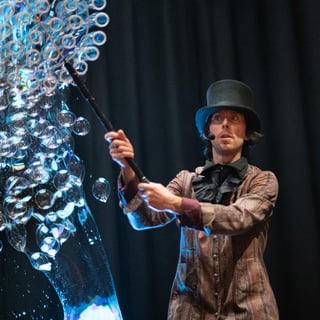
The Drop Science Bubble

Square the Drop

Prepare to be astounded by bubble cubes, bubble tornadoes and whole shimmering worlds made from a single drop of water.
The Drop Science Bubble Show is a fabulous family show, created by Ireland’s only certified bubbleologist.

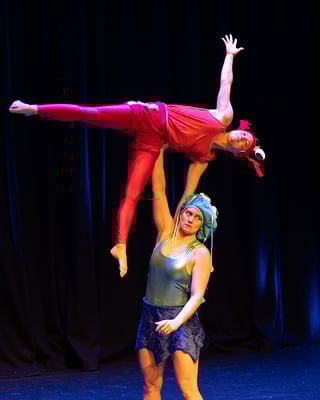
Sparks: Family Circus Science Cabaret

Jem and Jen Alison Laredo

Enjoy shimmering circus acts with surprising scientific twists: a clown with a climate mission, acrobats channelling the tides, eggs that defy expectations and a hula hooper who takes you to the stars.

Each incredible circus act comes with a scientific twist. 

Photos by Alison Laredo & Videos by Blue Flag Media

Research_Ireland_RGB_logo_black

Education Support Network presentations

19th November 2025

Dr Spyros Themelis from the University of East Anglia, summarised the conclusions of the ROMLIT programme which sought to develop literacy practices to reflect the “original, multiple and diverse literacies of Gypsy, Roma and Travellers”.

Tammy Whittaker, Community Learning Officer (Traveller Education) for Gypsy, Roma & Traveller Families in Bury, described the work she does to support families who have elected to home educate their children.

Are we there yet?

Are We There Yet? is available to buy on Amazon: Are We There Yet?: Amazon.co.uk: Jordan, Lillie Elsie: 9798311260749: Books

Lillie is a young Traveller mum of 3, she was prompted to design this book after a racist incident happened at her children’s school and the Traveller families there were subjected to a targeted social media campaign led by a school governor and the parents association.

Lillie went into school to speak to the head and highlighted what was happening. She offered the school advice on how to engage and support their GRT families, including books and resources which are relevant to our culture. She found not much was available in this format and so she decided to do something herself.

This is the first of a series of books she has planned and she is already working on the next focusing on literacy and phonics.

Sally Barter Traveller Education Professional